
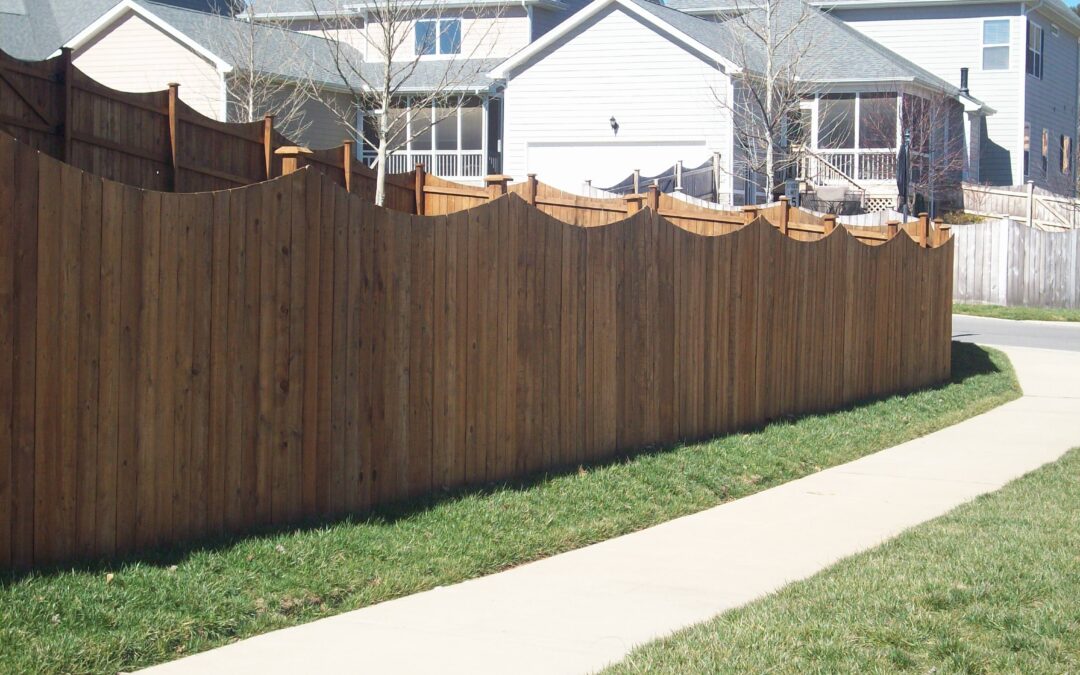
Your fence does a lot of heavy lifting. It adds privacy, security, and curb appeal to your property. But Nashville’s climate puts fences through a tough test every single year. Between the humid summers, seasonal storms, and clay-heavy soils, even a well-built fence needs regular care to stay strong.
This guide covers everything you need to know about maintaining your fence the right way. From cleaning and repairing to protecting against pests and weather, it’s all here. And if a project ever goes beyond a weekend fix, Outdoor Woodworks is a trusted Nashville fence builder with over 30 years of local experience ready to help.
Inspect Before You Do Anything
Walk the Entire Fence Line
Don’t eyeball it from the yard. Walk every section and look closely for:
- Loose or missing boards
- Rust on any metal parts
- Warped, cracked, or splintering wood
- Signs of insect damage
- Vegetation pressing against panels
Take photos as you go. This helps you track problem spots over time and gives you something concrete to reference if you call in a professional.
Focus on High-Stress Areas
Middle rails and posts take the most wear. On wooden fences, check near ground level first. That’s where moisture collects and rot starts. On metal fences, look closely at joints and fasteners. Rust tends to begin quietly in those spots before spreading.
Once you know what you’re working with, it’s time to make a plan.
Plan and Prioritize Your Repairs
Not every issue is equally urgent. A sagging panel with a rotted rail is a safety concern. Faded paint is not. Organize your repairs by severity and tackle the critical stuff first.
Before you start, figure out what materials you’ll need. Do your boards match cedar or pine? Do you need rust-resistant primer? Sorting this out upfront saves you trips to the hardware store mid-project.
Check Local Rules First
Nashville has specific fence codes worth knowing before you make any changes:
- Side and rear fences: up to 8 feet max height
- Front yard solid fences: must be set back 10 feet from the street, max 30 inches within that setback
- Corner lots have additional visibility zone restrictions
If your neighborhood has an HOA, their rules take precedence over city codes. Review your CC&Rs before starting any repair or modification. A quick call to your HOA’s architectural review committee can save you a lot of headaches.
With your plan set, make sure you’ve got the right tools for the job.
Essential Tools You’ll Need
Keep these basics on hand before you start any maintenance:
- Hammer (16 to 20 oz) and galvanized screws for securing loose boards
- Screwdriver set with magnetic tips (flathead and Phillips)
- Pliers with ergonomic handles for pulling stubborn nails
- Wire brush for scrubbing rust off metal sections
- 24-inch level to keep replacements straight
- Safety gear: gloves, impact-resistant glasses, ear protection
The right tools make the job faster and safer. Now let’s talk about keeping your fence clean.
Cleaning Your Fence the Right Way
Pick the Right Cleaner for Your Material
- Wood: Mild detergent and warm water works well without damaging the surface
- Vinyl: A gentle soap and water solution keeps it looking sharp
- Metal: Use a specialized cleaner to remove grime without stripping any coatings
Avoid harsh chemicals on any fence type. They can strip protective finishes and cause discoloration over time.
Scrub, Rinse, and Dry
Use a soft-bristle brush on wood to avoid scratching. A stiffer brush works better on metal for tackling rust spots and baked-on dirt. After scrubbing, rinse thoroughly with a garden hose. Don’t leave any soap residue. It breaks down paint and stain over time.
Let your fence air dry when you can. Sunlight speeds things up and prevents moisture from lingering. Aim to clean your fence at least twice a year. Spring and fall line up well with Nashville’s seasonal shifts.
Once your fence is clean, it’s time to fix anything that needs fixing.
Repairing Common Damage
Loose Boards
Remove any old rusted or bent fasteners first. Replace them with galvanized or stainless steel screws for a longer-lasting hold. Line everything up with a level before tightening. Uneven spacing leads to buckling and splitting, especially in Nashville’s humidity.
If multiple boards are shot, replacing the whole section is usually more cost-effective than patching one by one.
Rust on Metal Fences
Sand or wire-brush the area until you hit solid metal. Don’t rush this step. Leftover rust will push through paint and cause peeling later. Once it’s clean, apply a rust-inhibiting primer, then follow up with a quality exterior metal paint in thin, even coats.
Best Time to Make Repairs
Spring and fall are your best windows. Extreme heat and cold affect how materials cure and hold, so milder weather gives you the best results.
With repairs handled, the next step is making sure your maintenance routine matches your fence type.
Maintenance by Fence Type
Wood
- Apply a waterproof sealant once a year
- Inspect annually for termite and ant damage
- Keep vegetation trimmed back from the fence line to reduce moisture and pest exposure
Vinyl
- Wash with soap and water two to three times a year
- Check for small cracks regularly. Vinyl adhesive patches them quickly before they spread
Metal
- Inspect for rust spots every season
- Sand, prime, and repaint any rust as soon as you find it
- Clear plants away from the base to improve airflow and reduce moisture
Not sure which material is the best fit for your yard? We covered that in depth in our guide on choosing the right fence for your property.
Keeping Your Fence Strong Long-Term
Inspect Every Three Months
A quick seasonal walkthrough catches small issues before they become expensive ones. Tighten loose hardware, check for new cracks, and look for signs of moisture damage.
Adjust for the Season
- Spring: Clear winter debris, check for mold, and repair storm damage
- Summer: Apply UV-protective sealant to guard against sun fading and warping
- Fall: Tighten fasteners, trim back branches, and prep for winter storms
Protect Against Pests
Termites and carpenter ants are a real threat to wooden fences in Middle Tennessee. Apply insecticide around posts where wood meets the ground. Keep vegetation trimmed and the area dry. Pests thrive in damp, shady conditions.
Consistent upkeep is what separates a fence that lasts a decade from one that needs replacing in three years. And if you ever need a professional set of eyes on things, don’t wait.
Let’s Get Your Nashville Fence Back in Shape
Whether it’s a repair that’s gotten out of hand or a fence that needs a full refresh, Outdoor Woodworks is here to help. As a local Nashville fence company with over 30 years of experience, we know exactly what Nashville fences go through and how to keep them standing strong.
Call us at 615-865-6900 or Request a FREE quote to get started. No pressure, no obligations.
Frequently Asked Questions
How often should I inspect my fence if I live in Nashville?
Every three months is the sweet spot. Nashville’s humidity and storm seasons mean wear adds up fast. A quick seasonal check catches loose boards, rust, or moisture damage before it turns into a costly repair.
What are the biggest threats to wooden fences in Middle Tennessee?
Moisture is number one. Nashville’s humidity keeps wood damp for long stretches, which speeds up rot and invites mold. Termites and carpenter ants are also a serious local concern. Annual sealing and trimmed-back vegetation are your two best defenses.
Does Nashville have specific rules about fence height?
Yes. Side and rear fences can go up to 8 feet. Solid front yard fences must sit at least 10 feet back from the street and stay under 30 inches within that setback. Corner lots and HOA neighborhoods may have additional restrictions, so always check before making changes.
How do I know if my fence needs replacing instead of repairing?
If repairs are becoming frequent and the cost is approaching half of what a new fence would run, replacement is usually the smarter move. A local professional can give you an honest assessment of what makes sense for your situation.
When is the best time to do fence maintenance in Nashville?
Spring and fall. You’ll catch winter damage early in the spring, and fall gives you a chance to seal and protect everything before the next round of cold weather. Avoid major repairs during the hottest or coldest stretches of the year.