
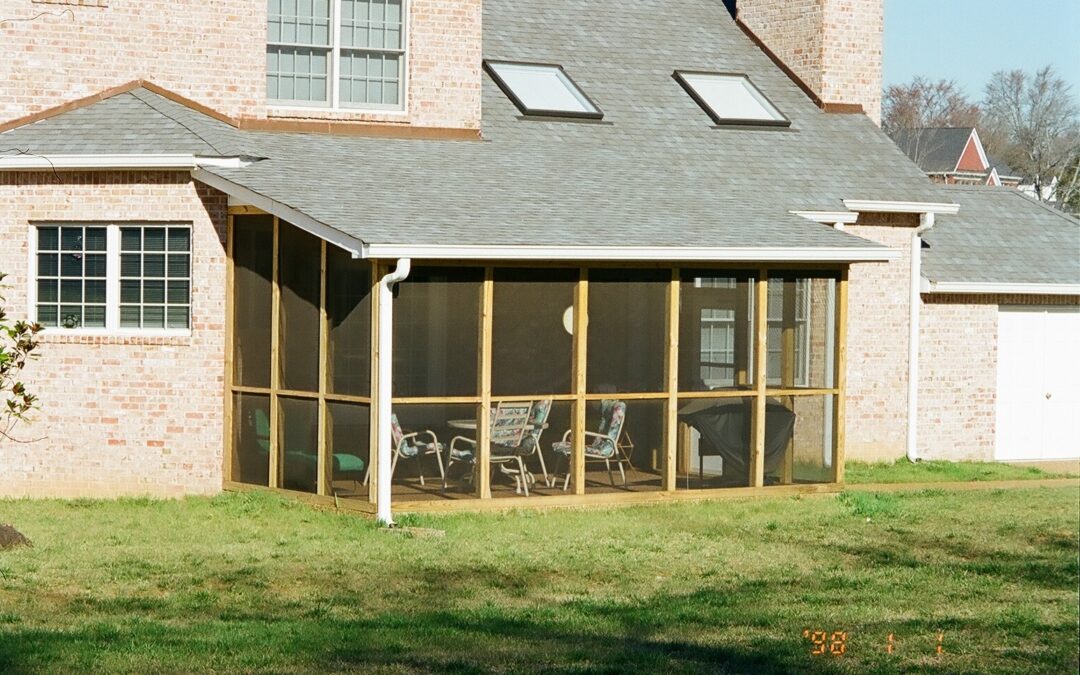
Creating the perfect outdoor living space is about more than just adding a deck or patio. It’s about crafting a cozy spot where fresh air and comfort come together effortlessly.
A screened porch offers the best of both worlds: shelter from bugs and weather without losing that open-air feeling we all crave. If you’ve ever struggled to enjoy your yard because of pesky mosquitoes or unpredictable Nashville summer evenings, you know how game-changing this addition can be.
Working with an experienced Nashville screened porch installer ensures your project is built to withstand our region’s unique climate while maximizing year-round comfort. This article walks you through everything from planning and materials to building tips and decorating ideas, helping you turn a simple porch into a favorite part of your home.
Planning Your Screened Porch
Define Your Purpose
The first step is defining your porch’s primary purpose. Is it going to be your personal retreat for quiet mornings with a book? Or a lively spot where friends gather for meals and conversation?
Pinpointing this helps you decide everything from layout to furnishings:
- For entertaining: You’ll need room for a dining table and chairs
- For relaxation: Focus on cozy seating that encourages quiet moments
- For family time: Consider flexible furniture that adapts to different activities
These decisions shape how you experience the space daily.
Determine the Right Size
Screened porches commonly fall between 100 and 400 square feet. Smaller areas create intimate atmospheres perfect for quiet moments. Larger footprints comfortably host groups.
Remember, bigger isn’t always better. A snug porch invites warmth and coziness, especially when styled thoughtfully. Measuring out the available space and experimenting with different layouts on paper can save substantial headaches down the line.
Check Local Regulations
Davidson County and surrounding Nashville-area municipalities have specific bylaws that can significantly affect what you build. Height limits, setback requirements, and permit necessities vary by jurisdiction.
Reaching out to your local building department early on avoids costly surprises like halted construction or mandated redesigns. Compliance guarantees safety and preserves neighborhood harmony.
Establish Your Budget
A realistic budget allows you to weigh choices from affordable materials like composite decking to higher-end finishes such as cedar siding. Don’t forget to account for:
- Permits and inspection fees
- Foundation and framing materials
- Screening and weatherproofing supplies
- Electrical work for lighting and outlets
- Comfortable furnishings and décor
Labor costs fluctuate depending on whether you hire professionals or handle some work yourself.
Selecting Design and Materials
Match Your Home’s Style
Your porch should blend seamlessly with your home’s existing architecture. If your Nashville home leans toward a traditional aesthetic, natural wood framed with stone accents creates a warm, inviting vibe. Modern homes benefit from sharp lines paired with composite materials that offer clean durability.
Choose Quality Materials
The materials you select determine how well your porch weathers Tennessee’s humid summers and occasional ice storms.
Framing Options:
- Pressure-treated lumber: Affordable and durable but requires sealing every few years
- Cedar: Naturally resistant to rot with beautiful grain but higher cost
- Composite materials: Low maintenance with excellent longevity
Screening Choices:
- Fiberglass mesh: Strong, affordable, and offers good visibility
- Pet-resistant screens: Tighter weaves for homes with furry friends
- Solar screens: Reduce heat while maintaining airflow
Flooring Solutions:
- Sealed hardwood: Timeless beauty requiring occasional refinishing
- Composite tiles: Low maintenance and weather-resistant
- Concrete with stain: Durable and customizable
Select a Roof Style
A gabled roof offers generous height and excellent water runoff due to its steep pitch. This practical design handles heavy spring rain while creating an airy feeling inside.
Flat roofs present a sleek, minimalist appearance at lower installation costs. However, they demand careful waterproofing because water drainage depends on quality sealing systems.
Building Your Screened Porch
Foundation Essentials
Concrete slabs provide a solid, level base resistant to shifting. They should include a gentle slope (2-3 degrees) to channel water away and prevent pooling.
If you have an existing deck, raised wood platforms offer a seamless look while providing excellent support. Proper drainage planning prevents rot and mold regardless of which foundation you choose.
Framing Fundamentals
Quality framing separates a wobbly porch from one that lasts decades. While 2×4 lumber works for mild environments, upgrading to 2×6 at 16 inches on center significantly enhances rigidity.
Use galvanized nails or screws to prevent rust where moisture settles. Bolted connections handle more stress over time compared to nails alone.
Screen Installation
Screens must stay taut without sagging. Loose mesh looks sloppy and invites insects inside.
Start by attaching rails securely around frame edges. Use spline rollers to press vinyl spline firmly into grooves, holding the mesh taut against movement and weather changes. Snip excess screen after installation to keep edges neat.
Weatherproofing
Apply high-quality sealants to preserve wood against sun damage and rain exposure. Around doors and windows, weather stripping prevents drafts.
Consider installing gutters or channel drains to direct runoff safely away from foundations. Outdoor Woodworks has helped countless Nashville-area families build porches that withstand decades of Tennessee weather.
Decorating Your Screened Porch
Comfortable Seating
Invest in outdoor furniture designed to withstand the elements. Durable cushions covered in fabrics like Sunbrella offer resilience against rain and sun while providing softness guests appreciate.
Repurposing a painted wooden indoor couch with outdoor cushions creates a cozy, unique vibe that feels both fresh and grounded.
Add Texture and Warmth
Layer your space with accessories that invite comfort:
- Outdoor rugs: Define separate areas and provide texture underfoot
- Throw pillows: Add color and personality (look for mildew-resistant options)
- Vintage trunks: Serve as coffee tables with built-in storage
- Potted plants: Hardy herbs like rosemary or mint blend fragrance with foliage
Lighting Strategy
Create ambiance with multiple light sources:
- String lights: Offer warm, inviting glow for evening gatherings
- Overhead fixtures: Provide focused illumination for tasks (install dimmers for flexibility)
- Portable lamps: Add mobility and decorative appeal
- LED bulbs: Choose warm hues (2700K-3000K) for relaxation
Layering ambient, task, and accent lighting elevates both usability and charm.
Integrating with Your Landscape
Echo Natural Elements
Match your porch flooring and railings with existing yard features like garden beds, stone walls, or wooden decks. This creates visual unity between your home and outdoor spaces.
Plant Strategically
Native Tennessee plants thrive with minimal maintenance:
- Black-eyed Susans
- Purple coneflower
- Coral honeysuckle
- Rosemary and mint
These hardy species support local pollinators while complementing your porch naturally.
Create Smooth Transitions
Lay stone or brick paths leading from porch edges toward garden zones. These hardscape elements guide movement and visual flow.
Use graduated layering of plantings from low ground covers near the porch to taller shrubs further out. This softens boundaries and invites the eye outward naturally.
Maximizing Year-Round Comfort
Climate Control
Outdoor-safe ceiling fans provide cooling breezes during hot Nashville summers. Portable heaters extend usability into chilly fall evenings and mild winter days.
Consider clear vinyl panels for windows during colder months. They block wind while maintaining visibility.
Ensure Accessibility
Design your porch so everyone moves through it with ease:
- Install doorways at least 36 inches wide
- Create step-free entrances where possible
- Choose lightweight, movable furniture
- Arrange seating to maintain open traffic flow
Smart Features
Enhance functionality with thoughtful additions:
- Dimmable lighting for mood adjustment
- Weather-resistant storage for cushions and tools
- Safely installed electrical outlets
- Bug-repellent solutions like citronella candles
Transform Your Outdoor Living Space Today
Your Nashville home deserves an outdoor space that brings comfort, style, and year-round enjoyment. A thoughtfully designed screened porch creates the perfect retreat for morning coffee, weekend gatherings, or peaceful relaxation.
At Outdoor Woodworks, we specialize in creating beautiful, durable screened porches tailored to your lifestyle and budget. Our team brings years of experience in professional Nashville screened porch installation, ensuring your project meets local codes and exceeds your expectations.
Ready to get started? Request a free quote today or call us at (615) 865-6900 to schedule a consultation. Let’s design and build the perfect outdoor retreat for your family.
Frequently Asked Questions
How much does a screened porch cost in Nashville?
Expect to invest $15,000 to $35,000 depending on size, materials, and features. Existing foundations lower costs while custom designs with new electrical work increase them.
Do I need a permit in Davidson County?
Yes, most screened porch projects require building permits. Requirements vary by municipality based on size and structural changes. Check with your local building department early in planning.
What’s the best screen for humid climates?
Fiberglass screening resists rust and offers excellent airflow at an affordable price. Pet-resistant screens provide extra durability for homes with animals.
Can I use my porch in winter?
Yes, with outdoor heaters, weather stripping, and vinyl panels, you can enjoy your screened porch during mild Nashville winters and cool fall evenings.
How long does construction take?
Most projects take 2 to 6 weeks depending on complexity, weather, and permit approval. Simple additions to existing decks complete faster than custom builds.