
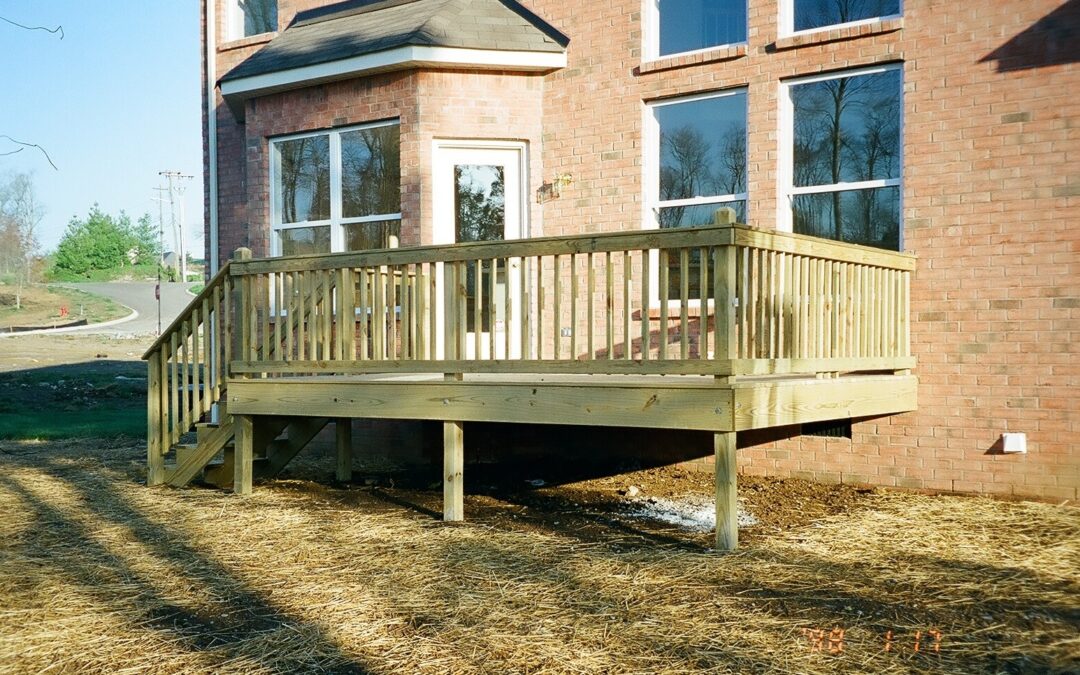
Building a custom deck is an exciting project that can enhance your home’s aesthetic appeal, increase its value, and provide a perfect space for outdoor entertainment and relaxation. However, choosing the right materials for your custom deck is critical to ensuring durability, functionality, and beauty over the long term. With so many options available today, from natural wood to composite decking, understanding the pros and cons of each material can be overwhelming.
In this post, we’ll explore the key factors to consider when selecting deck materials, as well as a detailed breakdown of popular options to help you make an informed decision for your custom deck.
Ways to Choose the Right Materials for Your Custom Deck
Consider Your Climate and Environment
The first and most crucial factor to consider when selecting materials for your custom deck is the climate and environment in which you live. Different materials react to weather conditions in varying ways, and choosing the wrong type could result in premature wear or the need for frequent maintenance.
- Wood in Humid Climates: If you live in an area with high humidity or frequent rainfall, natural wood can be prone to rotting, warping, or developing mold. In such regions, it’s important to opt for moisture-resistant woods like cedar, redwood, or pressure-treated lumber.
- Harsh Sun Exposure: For those living in regions with strong sun exposure, materials that are UV-resistant, such as composite decking or certain types of treated wood, can help prevent fading and cracking over time.
- Snow and Freezing Conditions: In colder climates, materials that can withstand freezing and thawing cycles are essential to avoid cracking. Composite decking is often a good choice, as it’s less likely to warp or split in cold weather.
Understanding your local weather patterns will help you choose materials that can withstand the elements and ensure the longevity of your deck.
Determine Your Budget
The cost of deck materials varies widely, and your budget will significantly influence your choice. Custom decks can range from affordable to high-end, depending on the materials used.
- Wood Decking: Generally, natural wood is one of the more affordable options. Pressure-treated wood, in particular, offers good value for money, while premium woods like redwood and cedar are more expensive. However, wood requires ongoing maintenance, which can add to the long-term costs.
- Composite Decking: Composite materials, while more expensive upfront, offer durability and lower maintenance over time, making them a cost-effective option in the long run.
- PVC Decking: If your budget allows for a higher-end option, PVC (polyvinyl chloride) decking provides excellent durability and resistance to weather but can be one of the more costly options available.
Balancing your initial budget with the long-term maintenance costs and lifespan of the materials will help you make the best financial decision.
Evaluate Maintenance Requirements
Different decking materials come with varying levels of maintenance, and it’s essential to choose a material that aligns with your willingness and ability to maintain it over time.
Choosing material based on how much time you’re willing to dedicate to upkeep is important for ensuring long-term satisfaction with your deck.
Prioritize Durability and Longevity
Your custom deck is an investment, and the durability of the materials will directly affect how long your deck lasts. Durable materials may come with a higher price tag, but they can save you money in repairs and replacements down the line.
Think About Aesthetics
The look and feel of your deck are just as important as its durability. After all, your deck should enhance your outdoor living space and complement the style of your home.
- Natural Wood’s Beauty: Wood is the most traditional decking material and offers a natural, timeless look that many homeowners love. Cedar and redwood, in particular, offer rich colors and beautiful grains. Staining or painting can further customize the appearance of wood to match your home’s exterior.
- Composite Decking’s Versatility: Composite decking comes in a wide range of colors, textures, and finishes. Many composites are designed to mimic the appearance of natural wood, so you can achieve the look you want without the high maintenance. Some brands offer unique color blends that provide a high-end, custom look.
- PVC’s Modern Appeal: PVC decking also comes in various styles and colors. It has a smooth, sleek appearance that can be ideal for modern or minimalist designs. PVC materials are also available in wood-like finishes for homeowners seeking a natural appearance.
Consider how the material will look in your overall outdoor space, taking into account its color, texture, and how it will age over time.
Explore Eco-Friendly Options
If environmental sustainability is a priority for you, there are decking materials that align with green building practices.
- Recycled Wood and Composites: Many composite decking materials are made from recycled wood fibers and plastics, making them an eco-friendly choice. These products give new life to materials that would otherwise end up in landfills.
- Sustainably Sourced Wood: If you prefer natural wood, look for products certified by organizations like the Forest Stewardship Council (FSC), which ensure that the wood is harvested from responsibly managed forests.
- PVC and Environmental Impact: While PVC is a durable and low-maintenance material, it’s made from synthetic chemicals and may not align with all environmentally conscious homeowners’ values. However, some manufacturers are making strides toward more sustainable PVC production methods.
Choosing eco-friendly materials for your deck can reduce your environmental impact while still achieving the look and functionality you desire.
Consider Safety Features
Safety is another key factor when selecting materials for your custom deck, especially if you have children, or pets, or plan to use the deck for gatherings.
- Slip Resistance: Some materials, particularly composite and PVC, offer slip-resistant surfaces, making them a safer option for wet or high-traffic areas. This is especially important if you plan to install a hot tub or pool nearby.
- Splinter-Free Materials: If you’re concerned about splinters, particularly with young children or pets running around, composite decking and PVC are excellent choices, as they don’t splinter like wood.
- Fire Resistance: In areas prone to wildfires, fire-resistant materials such as composite or PVC decking may be required by local building codes. These materials can provide additional safety in fire-prone environments.
Conclusion
Choosing the right materials for your custom deck requires careful consideration of factors like climate, budget, maintenance needs, and aesthetics. Whether you opt for the natural beauty of wood, the low-maintenance benefits of composite, or the durability of PVC, understanding the strengths and limitations of each material will help you make the best choice for your outdoor living space. By selecting the right materials, you’ll ensure that your custom deck is not only functional and beautiful but also built to last for years of enjoyment.