
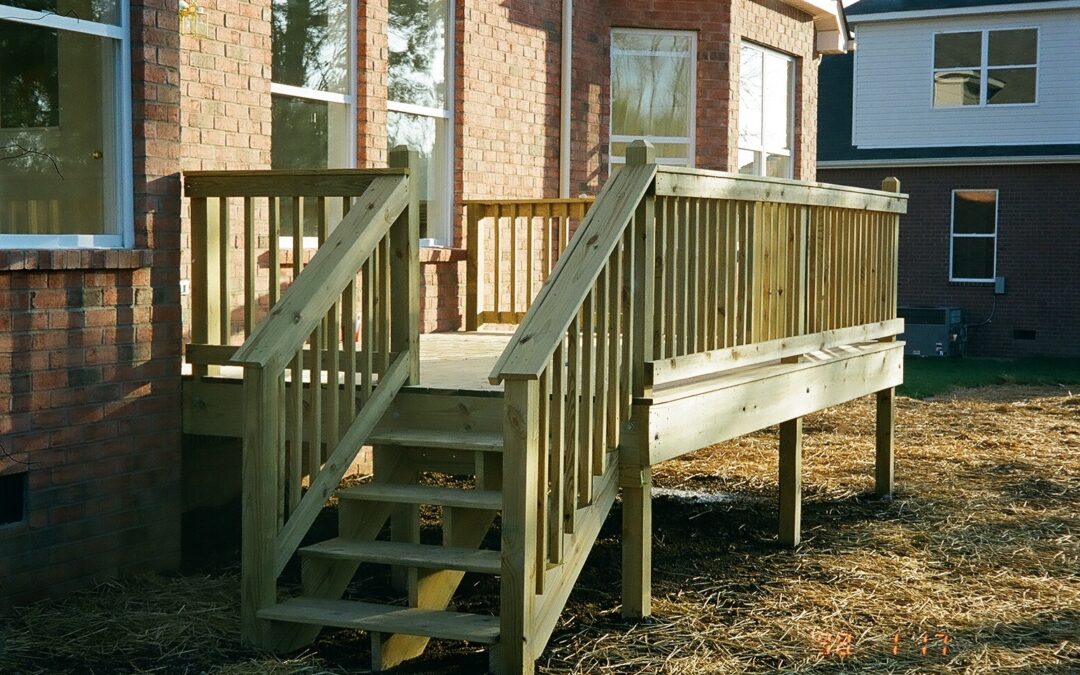
Building a deck is not just an investment in your home; it’s an opportunity to create a beautiful outdoor space where memories can be made. Each material has its own advantages and drawbacks that can affect durability, maintenance, and aesthetic appeal. As more homeowners look for ways to enhance their outdoor experiences, the debate over wood versus composite decking is more relevant than ever.
If you’re on the hunt for a deck that perfectly complements your lifestyle, it’s crucial to understand the key differences between these two popular materials. While wood offers a classic charm and natural beauty, composite decking presents a low-maintenance alternative that many find appealing. In this article, explore the pros and cons of both wood and composite materials, helping you make an informed decision that aligns with your vision for your custom deck.
Aesthetics: Natural Beauty vs. Modern Versatility
Wood
Wood decking has long been favored for its timeless and natural appeal. Its authentic grain patterns, rich textures, and warm tones can transform any outdoor space into a cozy retreat. Popular types of wood used for decking include:
- Pressure-treated pine: Budget-friendly and widely available.
- Cedar: Naturally resistant to decay and insects.
- Redwood: Premium wood known for its durability and striking color.
- Tropical hardwoods: Like ipe and teak, offering unparalleled beauty and longevity.
Wood decks can be stained or painted to match your style, allowing customization while maintaining a classic look.
Composite
Composite decking offers a sleek, modern appearance with the ability to mimic the natural look of wood. Made from a blend of wood fibers and recycled plastics, composite boards are available in a wide range of colors, patterns, and finishes. Many composites feature a woodgrain texture that closely resembles real wood, giving homeowners the best of both worlds: aesthetic flexibility and low maintenance.
Durability and Longevity
Wood
While wood decking is strong and durable, its natural composition makes it more vulnerable to environmental factors such as:
- Moisture: Without proper sealing, wood can warp, crack, or rot over time.
- Pests: Termites and other insects can damage untreated wood.
- Weathering: Prolonged exposure to sunlight can fade wood’s color.
Regular maintenance, such as sealing, staining, and cleaning, is necessary to extend the life of a wood deck. High-quality hardwoods like ipe or teak can last 25–50 years with proper care, but softer woods like pine may only last 10-15 years.
Composite
Composite decking is engineered to withstand the elements, making it highly resistant to moisture, pests, and UV rays. Unlike wood, composite boards won’t warp, crack, or splinter, and they maintain their color for many years without the need for staining or sealing. Most composite decks have a lifespan of 25–30 years or more, with some premium brands offering warranties of up to 50 years.
Environmental Impact
Wood
Wood decking is a natural and renewable resource, making it an environmentally friendly choice when sourced responsibly. Look for certifications like the Forest Stewardship Council (FSC) to ensure the wood comes from sustainable forestry practices. However, the need for chemical treatments to prevent decay can slightly diminish wood’s eco-friendliness.
Composite
Composite decking is made from recycled materials, including plastics and wood fibers, which helps reduce waste. Its long lifespan means fewer replacements over time, further minimizing its environmental footprint. However, composites are not biodegradable, and their production can involve more energy-intensive processes than harvesting wood.
Safety Features
Wood
Wood decks can become slippery when wet, especially if not properly maintained. Splinters and cracks can also pose hazards, particularly for children and pets. Non-slip coatings or rugs can help improve safety.
Composite
Composite decking is often designed with slip-resistant surfaces, making it safer in wet conditions. Additionally, composite boards don’t splinter, providing a smoother and safer surface for barefoot walking.
Aesthetic Longevity
Wood
Wood’s appearance evolves, which some homeowners find appealing. However, without regular maintenance, wood can fade, discolor, or develop a weathered look. Staining and sealing can restore its appearance, but these tasks must be performed periodically.
Composite
Composite decking retains its color and finish for years, thanks to UV-resistant coatings. Its aesthetic consistency requires no additional effort, making it a reliable choice for homeowners who want their deck to look pristine with minimal upkeep.
Conclusion: Which Material is Right for You?
When deciding between wood and composite for your custom deck, consider the following key factors:
- Aesthetics: Choose wood for a classic, natural look or composite for modern design versatility.
- Durability: Composite is the more durable and long-lasting option, ideal for harsh climates.
- Maintenance: For minimal upkeep, composite is the clear winner.
- Environmental Impact: Both materials have eco-friendly options; research your sources carefully.
- Budget: Wood offers a lower upfront cost, while composite provides long-term savings.
Ultimately, the best material for your custom deck depends on your priorities, lifestyle, and vision for your outdoor space. Whether you’re drawn to the natural charm of wood or the low-maintenance benefits of composite, both materials can create a stunning and functional deck for years to come. Contact us today to request a quote!