
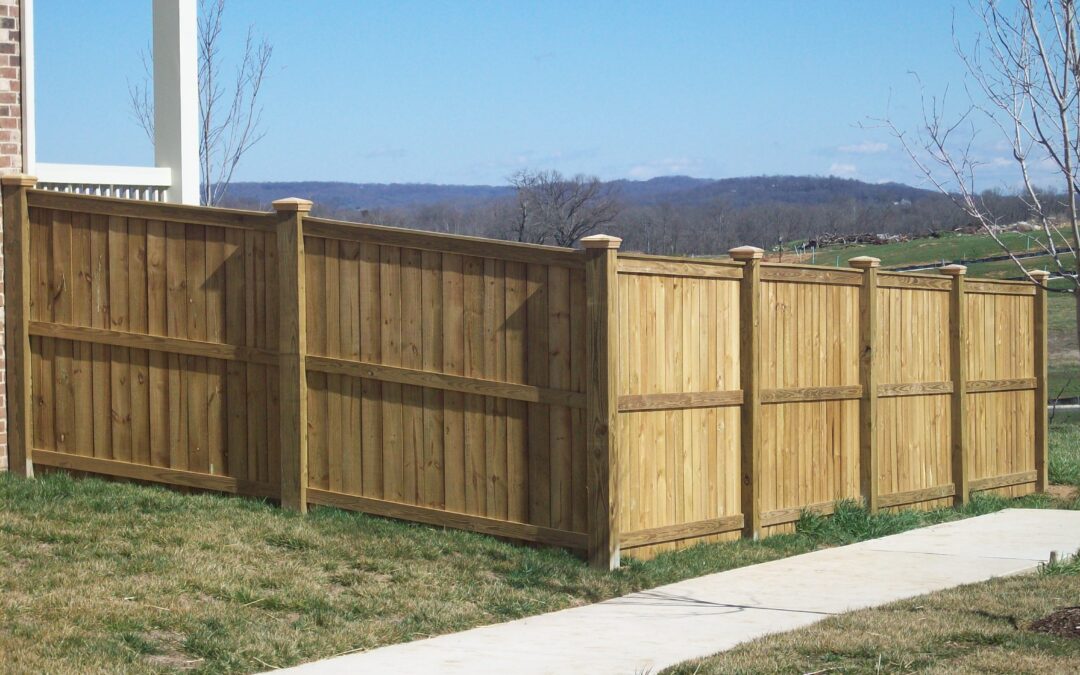
When it comes to safeguarding your property and enhancing your home’s curb appeal, the type of fence you choose is crucial. For many homeowners, the decision between wood, vinyl, and metal can seem overwhelming. Each option boasts unique advantages and challenges, making it important to consider what matters most to you—whether that’s durability, ease of maintenance, or simply the look that will best fit your space.
Exploring these materials and understanding their pros and cons, selecting the right fencing material is more than just a matter of taste; it’s about finding the perfect balance between style and functionality for your outdoor area. So let’s dive into the details to discover which fencing material might be your new best friend!
Comparing Wood, Vinyl, and Metal Fences
When weighing your options for fencing material, it’s important to consider not just aesthetics but also functionality, maintenance needs, and cost-efficiency.
- Wood fences offer a classic, natural appearance and can be customized to match any home design. Options like cedar, pine, or redwood each bring unique benefits—cedar, for example, is naturally resistant to decay and holds up well over time. However, wood fences do require regular maintenance, including staining or painting, to protect against weather damage and pests.
- Vinyl fences stand out for their low-maintenance nature and long-lasting durability. They never need painting or staining and only require occasional washing to stay clean. With a wide range of colors and styles, vinyl can even mimic the look of wood—without the upkeep. Still, extreme weather conditions can affect performance, so regional climate should be considered.
- Metal fences, such as aluminum, wrought iron, or steel, provide unmatched strength and security. Aluminum is lightweight and rust-resistant, making it a practical choice. Wrought iron is known for its decorative appeal but may need rust protection over time. Steel offers maximum durability for high-security needs but often comes at a higher cost, which can be justified by its long-term investment value.
Each fencing material brings its own balance of beauty, strength, cost, and maintenance. Understanding how wood, vinyl, and metal perform in different conditions helps you make a choice that fits your lifestyle and property goals.
Visual Appeal and Style Options
Visuals matter just as much as functionality when it comes to fencing. Wood fences provide a timeless look that many homeowners cherish. Their natural beauty truly stands out, allowing for extensive customization. Imagine having the freedom to paint or stain your fence in hues that complement your home or even carve unique designs into the wood itself. From classic picket styles that evoke a quaint charm to tall privacy fences creating a cozy retreat, wood fencing can be tailored to fit various architectural styles.
In fact, certain designs, like lattice fencing, can add an elegant touch to gardens or patios, allowing climbing plants to flourish while contributing to the overall aesthetics of your property.
Vinyl Fences
Vinyl fencing has made waves in recent years for its low maintenance and impressive capability to mimic traditional wood aesthetics without the associated upkeep. You can find vinyl fences in a variety of colors and styles—everything from classic white picket fences that evoke nostalgia to sleek contemporary privacy fences devoid of any fuss.
A noteworthy aspect is that vinyl’s smooth finish often results in an understated elegance, making it an ideal choice for those who prefer a minimalist yet polished look. What’s more remarkable is that vinyl’s durability allows these vibrant colors to last for many years without fading or chipping, ensuring onlookers see your desired aesthetic year after year.
Metal Fences
Metal fences exude strength and resilience while offering diverse design options. Take wrought iron, for example; its intricate patterns and ornate designs symbolize elegance and tradition. It’s no wonder such fences have graced historical homes for centuries!
On the other hand, aluminum presents a high-tech vibe with its lightweight properties and rust resistance, perfectly suited for modern architecture. You’ll frequently find aluminum fences available in varied finishes and styles, ensuring you can find one that aligns beautifully with your home’s character.
No matter which material you lean towards—wood, vinyl, or metal—the impact on your outdoor space is significant. Understanding how each option shapes not only your property lines but also enhances your living experience sets the stage for considering important factors like budgeting and long-term value as we move forward.
Cost Analysis and Value Over Time
Initial costs are often significant considerations for homeowners. When opting for wood fences, the upfront expense is notably lower compared to vinyl or metal options. Pine wood stands out as the most economical choice, tempting budget-focused homeowners. However, while wood can be less expensive initially, it requires continuous maintenance to prevent decay and damage from moisture and insects. Cedar and redwood are higher-quality alternatives that resist rot but come with a heftier price tag.
Moving on to the comparison of vinyl and metal fencing, these materials typically command higher initial fees but offer benefits that can affect long-term value.
Initial Costs
Vinyl fences generally cost between $15 to $40 per linear foot, reflecting their robust durability and design flexibility. While this might seem steep upfront, consider the savings on maintenance—unlike wood, vinyl doesn’t require regular sealing or treatment to retain its appearance.
On the other hand, metal fences range from $20 to $85 per linear foot and also fall into a higher price bracket than wood. Despite their immediate financial burden, metal fences deliver exceptional security and longevity advantages worth considering.
Long-Term Value
When evaluating long-term value, vinyl fences shine brightly with minimal upkeep requirements and outstanding resistance to environmental factors. This means fewer repairs and replacements down the line—even though they might seem pricier upfront. Homeowners who prioritize saving time and money often find vinyl the preferable option.
On the flip side, metal fencing may indeed have the biggest initial cost. However, there’s serious merit in its longevity; many industry professionals assert that a well-maintained metal fence can last over 50 years. This makes it more than just a fence—it’s an investment in your property’s future.
Considering both initial costs and long-term value reveals that while wood may lure you in with low upfront prices, factors such as durability and maintenance demands shift focus towards materials like vinyl or metal in the grand scheme of homeownership.
Lifespan and Weather Resistance
When it comes to fencing materials, durability is key. Each material—wood, vinyl, and metal—has its own strengths and weaknesses that can dramatically affect how well it withstands the elements over time. Knowing these can help you choose a fence that meets your aesthetic goals and stands strong against wind, rain, and sun.
Wood Fences
Wood fences are known for their natural beauty, particularly products made from cedar and redwood. With proper care, these types of wood can last between 15 to 20 years. The longevity of wood fences largely hinges on maintenance: regular treatments with sealants can prevent moisture damage and the development of rot. However, it’s crucial to note that wood is still susceptible to weathering. Exposure to harsh sun can cause fading, while heavy rains may lead to warping.
If you’re considering a wooden fence, think of it like nurturing a beautiful garden—consistent upkeep will reward you with longevity.
Vinyl Fences
Vinyl offers a delightful blend of durability and convenience, lasting 25 years or more with minimal maintenance efforts. Unlike wood, vinyl is resistant to moisture, which means no worries about rotting or warping. If you’ve ever experienced cleaning a wooden fence, you’ll appreciate the time saved—vinyl merely requires occasional washing with soap and water to keep it looking pristine.
However, homeowners should be aware that while vinyl is robust against many environmental factors, it can sometimes become discolored due to UV exposure. Choosing high-quality vinyl products can mitigate some of that risk, ensuring that your investment remains handsome for decades.
Metal Fences
Metal fencing materials, especially options like steel and wrought iron, boast incredible longevity—often lasting decades or even an entire lifetime when installed correctly. Aluminum fences are also noteworthy for their resistance to rust and corrosion; however, they might not provide the same level of security as heavier metals like steel.
While all three fencing materials have appealing qualities regarding lifespan and weather resistance, selecting an option aligned with your specific needs will ensure your outdoor space remains secure and visually appealing for years to come.
Installation and Maintenance Requirements
When it comes to installation, each fencing material offers different levels of complexity and ease. Wood fencing stands out as one of the simplest options for those who enjoy DIY projects. With a little familiarity with basic tools and some research on proper techniques, many handy homeowners can erect a wooden fence with relative ease. You may find pre-cut panels that make the job even simpler.
However, while wood can be a rewarding project, it’s essential to recognize that vinyl fences typically require professional installation due to their specific assembly needs.
Vinyl is often marketed as a convenient option because of its durability and low maintenance in the long run, but don’t be fooled—the initial setup can be tricky if you’re not familiar with its components. The pieces must fit together precisely, requiring expertise that most homeowners might not possess. This factor adds another layer of consideration when weighing your choices; you want to account for both time and labor costs associated with professional help.
On the other hand, metal fences—especially wrought iron and steel—demand professional installation due to their weight and complexity. These sturdy structures offer strength and security that wood or vinyl simply can’t provide. Though hauling the heavy materials may seem daunting, skilled installers know how to take full advantage of their properties without compromising appearance or safety.
Once you’ve navigated the installation process, the next important consideration is maintenance.
Maintenance varies significantly among different materials, presenting another aspect to keep in mind when selecting your fence. Wooden fences require regular staining or painting to maintain their aesthetic appeal and protect against weather-related wear down. Setting a reminder once a year to inspect your wood fences helps ensure they stay in top shape while prolonging their lifespan.
In contrast, you’ll be glad to know that vinyl fences come with lower upkeep demands. A simple wash with soapy water can suffice to keep them clean, as they generally resist stains and do not fade easily. This makes them an appealing choice for busy homeowners who prefer low-maintenance solutions without sacrificing style.
Metal fences also fall into the low-maintenance category compared to wood but require periodic inspections for rust and protective treatments. While they don’t need constant care like wood, staying proactive means addressing small issues before they escalate.
Understanding how each fencing material operates during installation and maintenance can effectively guide your choice for your home. As you weigh these practical considerations further, think about what qualities matter most based on your needs and preferences.
Best Fencing Material for Your Needs
The journey to selecting the ideal fencing material can be quite personal, influenced by various factors specific to your home and lifestyle. Every material offers distinct traits that can align with your specific needs.
When you consider wood, it evokes traditional aesthetics and versatility. Wood fences are the classic choice for many homeowners due to their natural beauty and ability to blend seamlessly into most landscapes. They’re affordable and allow for creativity in design.
For homeowners who prioritize low maintenance without sacrificing style, vinyl comes as a practical alternative. Unlike wood, vinyl fences stand strong with minimal upkeep. A simple rinse is often all that’s required, freeing up precious time for enjoyable activities instead of worrying about rotting wood or peeling paint.
When properly maintained, a vinyl fence can easily exceed 25 years, making it a robust long-term investment. The aesthetic appeal lies in its adaptability; it’s available in numerous colors and styles, including those that mimic wood grain. Vinyl combines beauty with convenience.
If you prioritize security, whether it’s for pet safety or property line demarcation, metal fences are an excellent choice. With materials like steel and wrought iron providing unmatched strength and durability, metal fences offer peace of mind along with visual appeal.
While they may present a higher initial cost compared to wood or vinyl, consider the longevity they promise. With proper installation and maintenance—like repainting or rust-proofing—you could enjoy these sturdy barriers for decades to come. A well-crafted metal fence enhances your landscape and serves as a safety feature.
Ultimately, making the right choice involves considering several factors unique to your situation.
To help guide you through this process, we encourage you to reflect on your budget: are you prepared for upfront costs, or does long-term value matter more? Furthermore, think about how much time you want to invest in ongoing maintenance down the road.
Our team at Outdoor Wood Works stands ready to assist you in determining the best fit for your property through a personalized consultation tailored to your goals and preferences. Together, we can explore options that resonate with both your style and practical needs, ensuring you make a confident decision regarding your fencing material.
If you’re ready to start exploring your fencing options today, fill out our online free quote, call us at 615-865-6900 or visit us at 805 Rivergate Pkwy, Goodlettsville, TN 37072!